Most weight change is gradual and explained by the usual mix of biology, behaviour and environment. It becomes a red flag when it is rapid, unexplained, or paired with other symptoms — new headaches or vision changes, purple stretch marks and easy bruising, a recently started medication, or significant unintentional weight loss. Those patterns deserve investigation.
Most weight change is not a red flag — but some is
The everyday reasons weight drifts up — appetite biology defending a higher set point, a food environment built for overconsumption, aging, poor sleep, stress, reduced activity — are common and real, and they are not what this page is about. → Why Is Weight So Hard to Lose?
This page is about the minority of cases where weight change is a signal of something specific — a medication, a hormonal disease, a problem in the brain's weight-control centres, or, rarely, a tumour. The goal is the balance our whole approach depends on: investigate when the pattern warrants it, and reassure — without over-testing — when it doesn't. → How Obesity Should Be Evaluated
The red-flag patterns (what actually prompts a look)
Weight change deserves investigation when one or more of these is present:
- Rapid change — significant weight gain or loss over weeks to a few months, out of proportion to any change in eating or activity.
- Truly unexplained change — no plausible dietary, activity, medication or life-context reason.
- Significant unintentional weight loss — this is its own red flag (it can point to cancer, thyroid overactivity, diabetes, malabsorption, depression or other illness) and generally warrants prompt evaluation. This page focuses on gain, but unintended loss should not be ignored.
- Accompanying symptoms — headaches or vision changes; purple striae, easy bruising, thin skin, proximal muscle weakness; extreme, relentless hunger; menstrual disturbance or milk discharge; a newly started medication that lines up in time.
- Early-onset severe obesity — beginning in early childhood with extreme hyperphagia suggests a possible genetic/syndromic cause. → Genetics of Obesity
If none of these is present and the change is gradual, a full secondary hunt is usually unnecessary — screening for obesity's harms is what matters instead. → How Obesity Should Be Evaluated
Drug-induced weight gain (the first thing to check)
The most common — and most fixable — secondary cause is medication. It's high-yield, cheap to assess, and frequently missed. A new or worsening weight trend that lines up in time with a medication start is a strong clue. Classes that genuinely cause weight gain include:
- Antipsychotics (several, some markedly).
- Antidepressants (certain agents; effects vary by drug).
- Mood stabilizers / antiseizure drugs (some cause gain; others are weight-neutral or cause loss).
- Corticosteroids (systemic; can drive rapid central gain and mimic features of cortisol excess).
- Some diabetes medications — insulin and sulfonylureas in particular (in contrast, GLP-1 agonists and SGLT2 inhibitors tend toward weight loss).
- Certain hormonal agents (some contraceptives/progestins, some hormone therapies) and a few others.
None of this is an excuse to stop a needed medication — it is a reason to review it. Sometimes a weight-neutral or weight-favourable alternative exists, and the decision is always weighed against why the drug was prescribed. Grade A 🟢 → How Obesity Should Be Evaluated
Hypothyroidism: common, but a modest effect
An underactive thyroid is the endocrine cause patients ask about most, and it is worth a one-time check because it's common and treatable. But keep the effect size honest: hypothyroidism causes modest weight gain (much of it fluid), a normal TSH effectively rules it out as a major driver, and treating it produces modest — not dramatic — loss. Overt hypothyroidism usually comes with other clues (fatigue, cold intolerance, constipation, dry skin). For the full thyroid picture, see our sister site. → Obesity & Hormones · Thyroid & weight (Hashiexperts)
Grade A 🟢 (real but modest; a normal TSH largely excludes it).
Cushing's syndrome: rare, specific, important
Cushing's syndrome — pathological cortisol excess — is uncommon but is the classic "secondary" cause not to miss, because it's treatable and has a recognizable picture:
- Rapid central weight gain with relatively thin limbs
- A rounded ("moon") face and a fatty upper-back pad
- Purple/violaceous striae (stretch marks), easy bruising, thin skin
- Proximal muscle weakness
- Often hard-to-control hypertension and high glucose
The key discipline: test for Cushing's when this constellation is present, not because someone has central fat, which is far more often ordinary obesity. And note "adrenal fatigue" is not a recognized diagnosis — it's a different claim entirely. Cortisol excess can arise from steroid medication (common) or, less often, from a pituitary or adrenal tumour or ectopic source. Grade A 🟢 → Obesity & Hormones
Hypothalamic and pituitary causes
The hypothalamus is the brain's weight-and-appetite control centre, so damage or disease there can drive genuine, sometimes severe, secondary weight gain — hypothalamic obesity. Causes include tumours in the region (for example, craniopharyngioma) and their treatment (surgery or radiation), traumatic brain injury, and certain infiltrative or developmental conditions. Suspect it when weight gain is rapid or severe and paired with features such as:
- New or persistent headaches or visual changes
- Menstrual disturbance, low libido, or milk discharge (suggesting a prolactin-secreting pituitary tumour)
- A history of brain injury, cranial surgery or radiation
- Other pituitary hormone abnormalities
Pituitary disease (including prolactinoma and, less commonly, growth-hormone or other axis problems) belongs in the same category — investigated when specific features point there, not routinely. Grade B 🟡 → How Obesity Should Be Evaluated · Obesity & Hormones
Insulinoma and other rare causes
A handful of rare conditions round out the differential and are worth naming so the picture is complete:
- Insulinoma — a rare insulin-secreting tumour. It causes recurrent hypoglycaemia, and because people eat to relieve the symptoms, it can produce weight gain. The hallmark is documented low blood sugar with symptoms that resolve on eating (Whipple's triad), not weight gain alone — so it's investigated when hypoglycaemia is the story. Grade C 🟠
- Genetic and syndromic obesity — monogenic (e.g., MC4R, leptin/LEPR, POMC) and syndromic (Prader-Willi, Bardet-Biedl) forms present with early-onset severe obesity and extreme hyperphagia; some have targeted treatment (setmelanotide). → Genetics of Obesity Grade B 🟡
- Fluid retention from heart, kidney or liver disease, or certain medications, can cause rapid weight gain that is water, not fat — usually with swelling, and a different evaluation. Grade B 🟡
These are uncommon. The point: the differential exists, but it's opened by specific clues, not applied to everyone.
When to investigate vs when to reassure
| Situation | Reasonable step |
|---|---|
| Gradual gain, no other symptoms, plausible life/behaviour context | Screen for obesity's harms; a one-time thyroid check; medication review. No broad secondary hunt. → How Obesity Should Be Evaluated |
| New medication that lines up in time | Review the medication; consider alternatives with the prescriber. |
| Rapid central gain + striae/bruising/weakness | Evaluate for Cushing's. |
| Rapid/severe gain + headaches/visual or menstrual changes | Evaluate for hypothalamic/pituitary cause. |
| Early-onset severe obesity + extreme hyperphagia | Consider genetic/syndromic evaluation. |
| Recurrent hypoglycaemia driving eating | Evaluate for insulinoma (document hypoglycaemia first). |
| Significant unintentional weight loss | Prompt evaluation — this is its own red flag. |
Questions patients ask
When is weight gain actually a red flag?
When it's rapid, unexplained, or paired with other symptoms — new headaches or vision changes, purple striae with easy bruising, a newly started medication that lines up in time, or severe early-onset obesity. Gradual gain without other features usually isn't a red flag. Grade A 🟢 → How Obesity Should Be Evaluated
Which medications cause weight gain?
Several classes: some antipsychotics and antidepressants, some antiseizure/mood-stabilizer drugs, corticosteroids, and certain diabetes medications (insulin, sulfonylureas), among others. It's worth reviewing — sometimes a weight-neutral alternative exists — but never stop a prescribed drug without your clinician. Grade A 🟢
Could my weight gain be a thyroid problem?
Possibly, but the effect is modest and a normal TSH largely rules it out as a major driver. Hypothyroidism usually brings other clues (fatigue, cold intolerance, constipation), and treating it produces modest, not dramatic, loss. A one-time check is reasonable. Grade A 🟢 → Thyroid & weight (Hashiexperts)
How do I know if it's Cushing's syndrome?
Cushing's is rare and has a specific picture: rapid central weight gain, a rounded face, purple stretch marks, easy bruising, thin skin, muscle weakness, and hard-to-control blood pressure and glucose. Central fat alone is far more often ordinary obesity. Testing is warranted when that constellation is present. Grade A 🟢 → Obesity & Hormones
I've gained weight and I'm getting headaches — should I worry?
Rapid or severe weight gain paired with new headaches, vision changes, menstrual disturbance or milk discharge can point to a hypothalamic or pituitary cause and deserves evaluation. On its own, an occasional headache with gradual weight change usually does not. Grade B 🟡
What is hypothalamic obesity?
Weight gain caused by damage or disease in the hypothalamus — the brain's appetite-and-weight control centre — from tumours in that region (such as craniopharyngioma), their treatment, or brain injury. It's uncommon and usually accompanied by other neurological or hormonal clues. Grade B 🟡
Can a tumour make you gain weight?
Rarely, yes — a pituitary or hypothalamic-region tumour can, and an insulinoma causes hypoglycaemia that leads to eating and gain. But these are uncommon and come with specific clues (neurological features, documented low blood sugar), not weight change alone. Grade C 🟠
When should I NOT be worried about weight change?
When it's gradual, has a plausible explanation (life changes, sleep, stress, a medication, aging, the body defending a higher set point) and comes without the red-flag features above. Then the useful step is screening for obesity's effects — not hunting for a rare secondary cause. Grade A 🟢 → Why Is Weight So Hard to Lose?
KEEP READING (Related block)
- How Obesity Should Be Evaluated — the full framework this page's red flags fit into.
- Obesity & Hormones — thyroid, cortisol and the hormones behind secondary weight change.
- Why Is Weight So Hard to Lose? — why most weight change is ordinary biology, not a red flag.
- Genetics of Obesity — when early-onset severe obesity points to a genetic cause.
- Thyroid & weight (Hashiexperts) — how much the thyroid really explains.
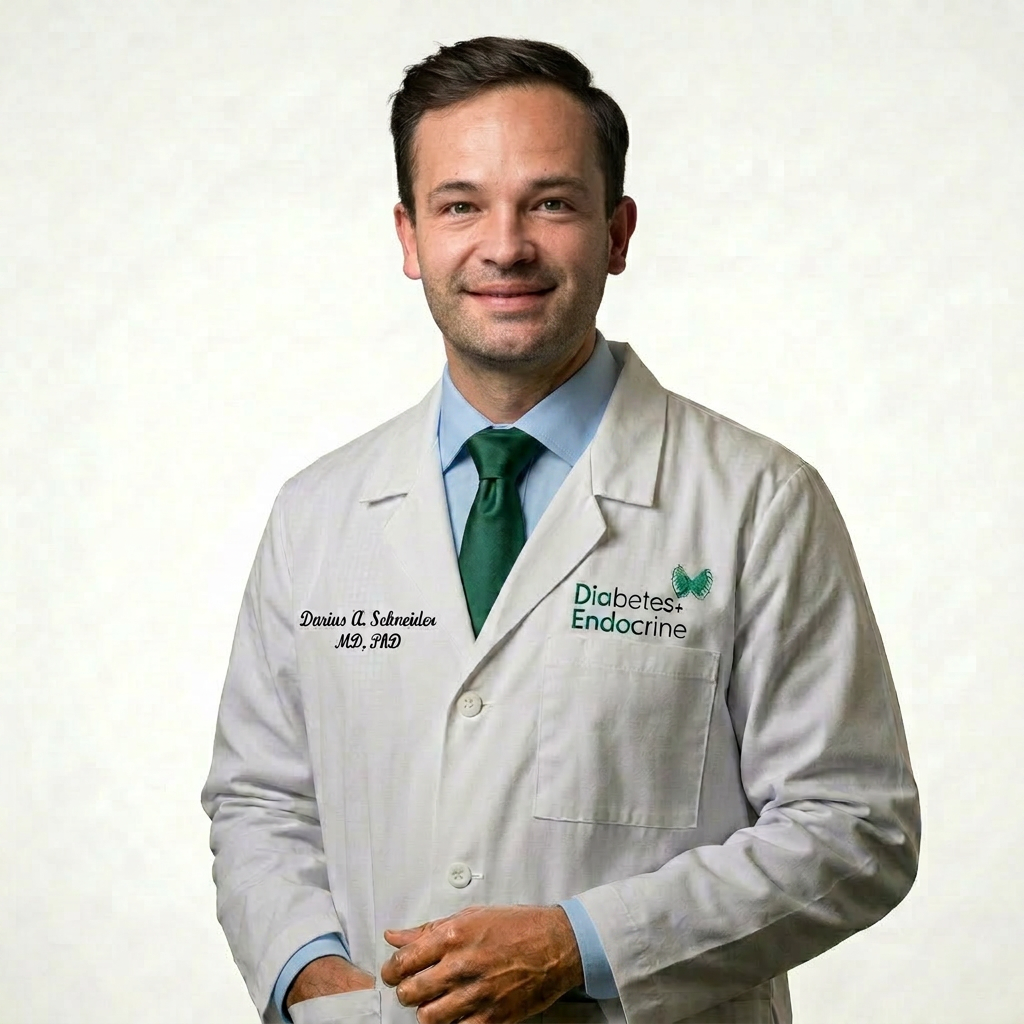
Written by Darius A. Schneider, MD, PhD · Board-Certified Endocrinologist (ECNU) · Last updated: 2026-08-10 · References: Endocrine Society guidance on Cushing's syndrome and secondary obesity; AACE/OMA obesity evaluation guidance; reviews of drug-induced weight gain; hypothalamic obesity and pituitary-disease literature; diagnostic criteria for insulinoma (Whipple's triad). Cross-references: Hashiexperts (thyroid), MenoExperts (menopause), TestoExperts (men's hormones — forthcoming). Educational; not individualized medical advice.