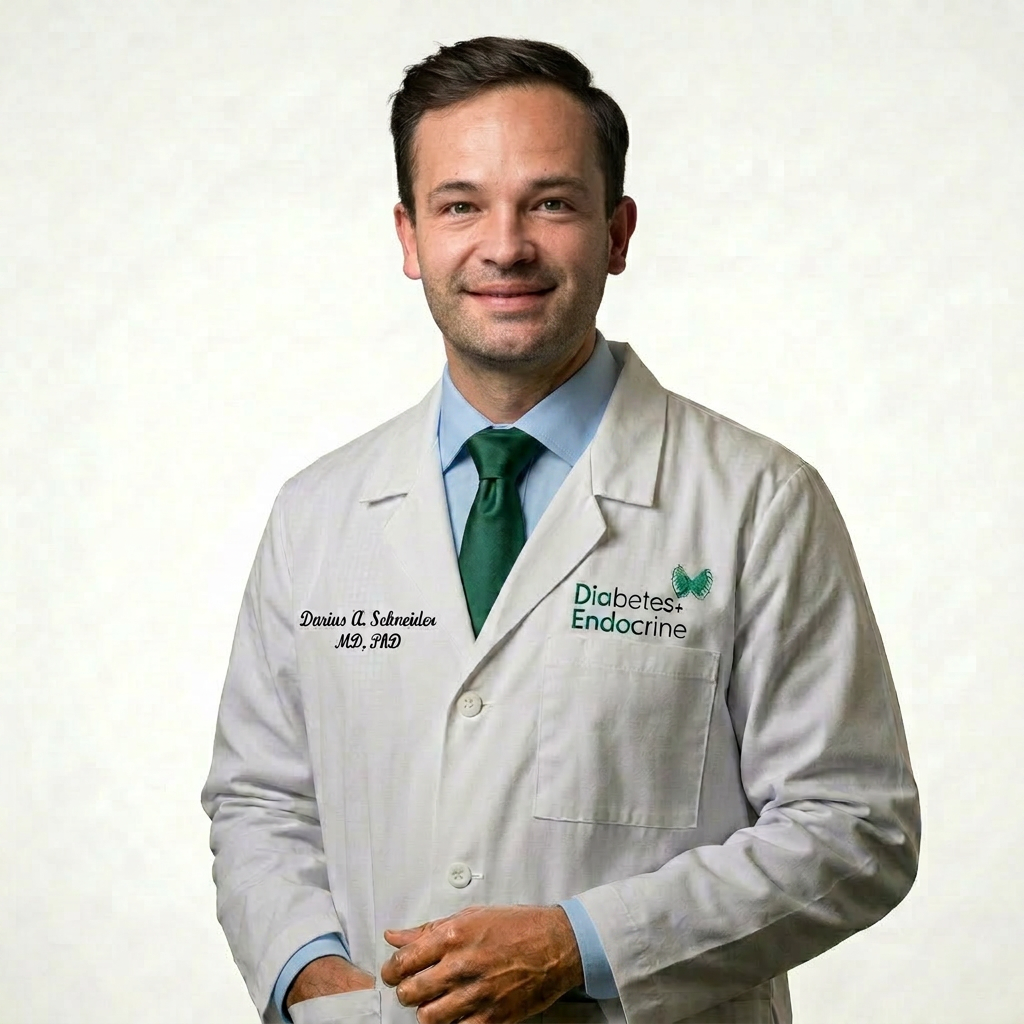
In fatty liver disease, the leading cause of death is cardiovascular disease — heart attacks and strokes — not the liver itself. MASLD is a marker of whole-body metabolic dysfunction that raises the risk of hypertension, abnormal lipids, high triglycerides and diabetes. That's why good care treats the patient's overall cardiovascular risk, not just the liver.
Section accent: --clay (MASLD pillar).
The fact that reframes everything
For most people with MASLD, the biggest threat to life is not the liver — it's the heart. Cardiovascular disease is the leading cause of death in MASLD. A minority of patients progress to advanced liver disease, and that matters enormously — but the average person with a fatty liver is far more likely to be harmed by a heart attack or stroke than by cirrhosis. → Fatty Liver / MASLD hub
This is why the site's liver philosophy has two halves: Don't just find fat, find risk — and Don't just treat the liver, treat the metabolic disease behind it.
Why MASLD and cardiovascular disease travel together
MASLD is the liver's expression of systemic metabolic dysfunction, and that same dysfunction damages the cardiovascular system. The shared drivers cluster together as the components of metabolic syndrome:
- Insulin resistance / type 2 diabetes — accelerates atherosclerosis and worsens the liver simultaneously. → MASLD & Diabetes
- Atherogenic dyslipidaemia — high triglycerides, low HDL, and small dense LDL particles.
- Hypertension — a core metabolic-syndrome component and independent cardiovascular risk.
- Obesity and visceral adiposity — the metabolically active fat that drives both liver fat and cardiovascular risk. → Body Composition & MASLD
MASLD is best read as a flag that this whole cluster is present — a reason to look hard at the heart, not just the liver. Grade A 🟢
"Treat the patient, not just the liver"
Finding a fatty liver should trigger a cardiovascular risk assessment, because that is where most of the modifiable danger sits. In practice that means attention to:
- Lipids — including triglycerides and LDL, managed to guideline-based targets for the person's overall risk.
- Blood pressure — identified and treated.
- Glucose / diabetes — screened and managed. → MASLD & Diabetes
- Weight and visceral fat — addressed with the levers that also help the liver.
- Smoking, activity, and diet — the shared foundations.
None of this competes with liver care; it is liver care done properly, because the same metabolic disease produces both problems. → /treat/cardiovascular
A note on statins (common and important)
Patients with fatty liver are often wrongly denied statins out of a fear that the drug will "hurt the liver." In fact, statins are generally safe in MASLD, are important for the cardiovascular risk these patients carry, and mildly elevated liver enzymes are usually not a reason to withhold them. Statin decisions should be based on cardiovascular risk, per guidelines, not on the presence of a fatty liver alone. Grade A 🟢 (Individual decisions belong with a clinician.)
The treatments that help both
The convenient truth of metabolic disease is that the same interventions protect the heart and the liver:
- Weight loss improves liver fat, lipids, blood pressure, and glucose together. → Fatty Liver & Weight Loss
- A Mediterranean-style diet and regular exercise are cardioprotective and liver-beneficial. → Nutrition for MASLD · Exercise & MASLD
- GLP-1 therapy — semaglutide has cardiovascular-benefit evidence in related high-risk populations, drives weight loss, and is approved for MASH with fibrosis. → GLP-1 & Fatty Liver
So the metabolic approach isn't a compromise between organs — it targets the biggest danger while helping the liver at the same time. → The San Diego Metabolic-Liver Program
MASLD MYTHS — Cardiovascular
MYTH: "Fatty liver is a liver problem, so I only need to worry about my liver." - Short answer: No — cardiovascular disease is the leading cause of death in MASLD. - What the evidence shows: Most people with MASLD are more likely to be harmed by heart disease than by their liver. - Bottom line: Treat the patient, not just the liver. - Grade A 🟢
MYTH: "I can't take a statin because I have a fatty liver." - Short answer: Statins are generally safe in MASLD and often important. - What the evidence shows: Mildly elevated enzymes usually don't preclude statins; decisions follow cardiovascular risk. - Bottom line: Don't refuse a statin just because of fatty liver. → /treat/cardiovascular - Grade A 🟢
MYTH: "Normal cholesterol means my metabolic risk is fine." - Short answer: MASLD-related risk includes triglycerides, blood pressure, and glucose, not just LDL. - What the evidence shows: Atherogenic dyslipidaemia (high triglycerides, low HDL) and hypertension often accompany MASLD. - Bottom line: Assess the whole risk cluster. → MASLD & Diabetes - Grade A 🟢
MYTH: "If my fibrosis is low, I have nothing to worry about." - Short answer: Low liver risk doesn't erase cardiovascular risk. - What the evidence shows: Even with minimal fibrosis, the metabolic cluster driving MASLD threatens the heart. - Bottom line: A reassuring FIB-4 isn't a reassuring heart. → FIB-4 - Grade A 🟢
SIGNATURE — "What the evidence says: MASLD and the heart"
- What we know: Cardiovascular disease is the leading cause of death in MASLD; the condition clusters with diabetes, dyslipidaemia, hypertension, and obesity.
- What we think: Every MASLD evaluation should include cardiovascular risk assessment and treatment, because that's where most preventable harm lies.
- What we don't know: Exactly how much liver-specific therapy independently changes cardiovascular outcomes.
- What patients should do: Treat the whole metabolic picture — lipids, blood pressure, glucose, weight — and don't refuse a statin because of a fatty liver.
Questions patients ask
What is the leading cause of death in fatty liver disease?
Cardiovascular disease — heart attacks and strokes — not the liver itself. Most people with MASLD are more likely to be harmed by their heart. Grade A 🟢
Why does fatty liver raise heart risk?
MASLD reflects systemic metabolic dysfunction — insulin resistance, high triglycerides, hypertension, visceral fat — that also damages arteries. Grade A 🟢 → MASLD & Diabetes
Can I take a statin if I have a fatty liver?
Usually yes — statins are generally safe in MASLD and often important. Mildly elevated enzymes don't automatically rule them out. Grade A 🟢 → /treat/cardiovascular
My liver fibrosis is low — am I in the clear?
Not for your heart. Low liver risk doesn't remove the cardiovascular risk from the metabolic cluster. Grade A 🟢 → FIB-4
Which numbers should I track besides liver tests?
Lipids (including triglycerides and LDL), blood pressure, glucose/A1c, weight, and waist — the cardiovascular risk factors. Grade A 🟢
Does losing weight help my heart and liver together?
Yes — weight loss improves liver fat, lipids, blood pressure, and glucose simultaneously. Grade A 🟢 → Fatty Liver & Weight Loss
Do GLP-1 drugs help the heart too?
Semaglutide has cardiovascular-benefit evidence in related high-risk groups and is also approved for MASH with fibrosis. Grade A 🟢 → GLP-1 & Fatty Liver
Should finding a fatty liver change my heart care?
Yes — it should prompt a cardiovascular risk assessment, because that's where most of the modifiable danger sits. Grade A 🟢
KEEP READING
- MASLD & Diabetes — the other arm of the metabolic cluster.
- Fatty Liver & Weight Loss — one lever for heart and liver together.
- GLP-1 & Fatty Liver — metabolic therapy with cardiovascular reach.
- The San Diego Metabolic-Liver Program — treating the whole patient, not just the organ.
Written by Darius A. Schneider, MD, PhD · Board-Certified Endocrinologist (ECNU) · Last updated: [date] · References: AASLD Practice Guidance on MASLD (2023); EASL–EASD–EASO guidance; cardiovascular-mortality data in MASLD/NAFLD cohorts. Educational only; not individualized advice.