The best-supported eating pattern for fatty liver is Mediterranean-style: rich in vegetables, legumes, whole grains, fish, nuts and olive oil, and lower in sugar, refined carbohydrate, sugar-sweetened drinks and ultra-processed food. Overall calorie reduction to lose weight helps most, but food quality matters independently. "Don't eat fat" is a myth — the type of fat matters far more than the word.
Section accent: --clay (MASLD pillar).
Two levers, not one
Nutrition helps the liver through two related but distinct levers:
- Energy (calories) → weight loss. This is the single most powerful dietary lever, because weight loss is the best-proven MASLD treatment, and its benefit is dose-dependent. → Fatty Liver & Weight Loss
- Food quality → metabolic effect independent of weight. What you eat — sugar, refined carbohydrate, fat type, fibre — influences liver fat, insulin sensitivity and inflammation to some degree beyond calories alone.
Most of the debate below is really about lever 2. But keep lever 1 in view: a "perfect" food list that doesn't produce sustained weight loss in someone who needs it will underperform a sustainable pattern that does.
The Mediterranean pattern (best-supported)
Across guidelines, the Mediterranean dietary pattern has the strongest evidence for MASLD. It isn't a single food; it's a pattern: abundant vegetables, legumes, fruit, whole grains, fish and seafood, nuts and seeds, olive oil as the primary fat, moderate dairy, limited red and processed meat, and little added sugar. It tends to reduce liver fat and improve metabolic markers, partly through weight loss and partly independently. It's also sustainable and heart-protective — which matters because cardiovascular disease, not the liver, is the leading threat in MASLD. Grade A 🟢 (as a pattern) → MASLD & Cardiovascular Risk
Calorie reduction and carbohydrate quality
- Calorie reduction to achieve weight loss is the highest-yield change for most people who carry excess weight. The pattern that helps you sustain a deficit is the right one — there's no single mandatory diet.
- Carbohydrate quality matters more than a blanket "low-carb" rule. Refined starches and sugars raise liver fat more than equivalent calories from whole, high-fibre carbohydrates. Very-low-carbohydrate diets can reduce liver fat, but the durable, guideline-backed message is shift carbohydrate quality (whole grains, legumes, vegetables) rather than a specific macronutrient dogma. Grade B 🟡
Fat: type matters, not the word
The most damaging nutrition myth in fatty liver is "you have fat in your liver, so stop eating fat." Dietary fat is not the same as liver fat, and the type of fat is what counts:
- Saturated fat (fatty red/processed meat, butter, much ultra-processed food) tends to worsen liver fat and insulin resistance.
- Unsaturated fats — monounsaturated (olive oil, nuts, avocado) and polyunsaturated, including omega-3s (oily fish) — are neutral-to-beneficial and are central to the Mediterranean pattern.
- Replacing saturated with unsaturated fat is one of the better-supported quality shifts. Grade B 🟡
So the message is not low-fat — it's better fat.
Protein and fibre
- Protein supports muscle preservation during weight loss, which protects insulin sensitivity and function — both relevant to the liver. Adequate protein helps ensure that weight lost is fat, not muscle. Favour fish, legumes, poultry, and lower-processed sources over processed red meat. → Body Composition & MASLD
- Fibre (vegetables, legumes, whole grains, nuts) improves satiety, glycaemic response, and the gut environment, and displaces refined carbohydrate. It's a consistent feature of every eating pattern that helps the liver. Grade B 🟡
Sugar, fructose, and sugary drinks (the sharpest targets)
- Added sugars and fructose, especially from sugar-sweetened beverages, are among the most consistently implicated dietary drivers of liver fat. The liver metabolises fructose in a way that can promote fat production (de novo lipogenesis), and liquid sugar is easy to over-consume without satiety.
- Whole fruit is not the villain. The fibre, water, and volume of whole fruit blunt its effect; the concern is added sugar and sweetened drinks, not oranges.
- Cutting sugar-sweetened beverages is one of the highest-yield, simplest changes in MASLD. Grade B 🟡
Ultra-processed foods
Beyond any single nutrient, ultra-processed foods (energy-dense, low-fibre, engineered for over-consumption, often high in refined carbohydrate and saturated fat) are associated with more liver fat and weight gain. Reducing them tends to improve diet quality across several of the levers above at once — less added sugar, less saturated fat, more fibre — which is why "eat less ultra-processed food" is a useful, non-dogmatic rule of thumb. Grade B 🟡
Alcohol
Alcohol is a direct hepatotoxin and adds calories. In MASLD, reducing alcohol is sensible; where metabolic fatty liver coexists with meaningful alcohol intake, the condition is termed MetALD, and alcohol becomes a primary target. There's no established "safe" amount that benefits a fatty liver, and heavy intake clearly worsens outcomes. Individual advice depends on the whole picture, but less is better for the liver. Grade B 🟡 → Fatty Liver / MASLD hub
Coffee — the surprising one
Regular coffee intake is associated with lower risk of liver fibrosis and progression in observational data — an interesting, consistent signal, though not proof of cause and not a treatment. It's a reasonable part of a liver-friendly pattern for people who tolerate it (unsweetened, mindful of added sugar and cream). Grade C 🟠
MASLD MYTHS — Nutrition (12)
MYTH: "I have fat in my liver, so I should eat a low-fat diet." - Short answer: Dietary fat ≠ liver fat; the type of fat matters, not the word. - What the evidence shows: Unsaturated fats (olive oil, nuts, oily fish) are neutral-to-beneficial; saturated fat is the problem. - Bottom line: Better fat, not low fat. - Grade B 🟡
MYTH: "There's one official fatty-liver diet." - Short answer: No — the best-supported pattern is Mediterranean, and sustainability decides the winner. - What the evidence shows: Mediterranean-style eating has the strongest evidence; the deficit you can maintain matters most. - Bottom line: Pattern over prescription. - Grade A 🟢
MYTH: "Fruit is bad because it has sugar." - Short answer: Whole fruit isn't the villain; sugary drinks and added sugar are. - What the evidence shows: Fibre and water blunt fruit's effect; liquid sugar and added fructose drive liver fat. - Bottom line: Eat the fruit; skip the soda. - Grade B 🟡
MYTH: "Fructose is toxic, so I must avoid all fruit and vegetables." - Short answer: The concern is added/free fructose in large amounts, not whole plants. - What the evidence shows: Sugar-sweetened beverages and added sugars are the implicated sources, not vegetables or whole fruit. - Bottom line: Target added sugar, not produce. - Grade B 🟡
MYTH: "Only a very-low-carb or keto diet can fix a fatty liver." - Short answer: Carb quality and weight loss matter more than an extreme macro rule. - What the evidence shows: Low-carb can reduce liver fat, but so does calorie reduction with better carbohydrate quality; the durable message is quality. - Bottom line: Shift carb quality; extremes aren't required. - Grade B 🟡
MYTH: "Diet doesn't matter if I take a liver or weight-loss drug." - Short answer: Medications are added to nutrition, not a substitute. - What the evidence shows: Approved MASH drugs are used alongside sustained lifestyle change. - Bottom line: Food is the foundation. → MASH Medications - Grade A 🟢
MYTH: "Detox teas, cleanses, and 'liver flushes' clear liver fat." - Short answer: No — there's no evidence they treat MASLD. - What the evidence shows: Liver fat responds to sustained metabolic change, not detox products; some supplements carry hepatotoxic risk. - Bottom line: Save your money; treat the metabolism. - Grade E ⚫
MYTH: "Coffee damages the liver." - Short answer: The opposite signal, if anything. - What the evidence shows: Regular coffee is associated with less fibrosis and progression in observational data. - Bottom line: Coffee is fine — just watch the added sugar. - Grade C 🟠
MYTH: "A little alcohol is good for a fatty liver." - Short answer: No established benefit for the liver. - What the evidence shows: Alcohol is a hepatotoxin; with metabolic fatty liver plus meaningful intake, it's MetALD and a primary target. - Bottom line: Less is better for the liver. - Grade B 🟡
MYTH: "Eggs and cholesterol in food cause fatty liver." - Short answer: Dietary cholesterol isn't the main driver; overall pattern and sugar/saturated fat are. - What the evidence shows: MASLD is driven by energy excess, refined carbohydrate, added sugar, and saturated fat — not eggs per se. - Bottom line: Focus on the pattern, not one food. - Grade C 🟠
MYTH: "Protein is hard on a fatty liver, so eat less of it." - Short answer: Adequate protein protects muscle during weight loss. - What the evidence shows: Protein preserves lean mass and supports insulin sensitivity; favour fish, legumes, and poultry over processed meat. - Bottom line: Keep protein up while losing. → Body Composition & MASLD - Grade B 🟡
MYTH: "If my weight is normal, my diet can't be causing fatty liver." - Short answer: Lean MASLD exists, and diet quality still matters. - What the evidence shows: Sugar-sweetened drinks, refined carbohydrate, and visceral fat can drive MASLD at normal BMI. - Bottom line: Quality matters at any weight. → MASLD & Diabetes - Grade B 🟡
Questions patients ask
What is the best diet for fatty liver?
A Mediterranean-style pattern with calorie reduction if you need to lose weight: vegetables, legumes, whole grains, fish, nuts, olive oil, less sugar, refined carbohydrate, and ultra-processed food. Grade A 🟢
Should I avoid all fat?
No. Swap saturated fat for unsaturated (olive oil, nuts, oily fish). The type of fat matters far more than the amount. Grade B 🟡
What foods should I cut first?
Sugar-sweetened beverages, added sugars, and ultra-processed foods are the highest-yield targets. Grade B 🟡
Is fruit off-limits because of fructose?
No — whole fruit's fibre blunts its sugar. The concern is added sugar and sugary drinks, not whole fruit or vegetables. Grade B 🟡
Do I need to go low-carb or keto?
Not necessarily. Carbohydrate quality and weight loss matter more than an extreme macro target. Grade B 🟡
Can I drink alcohol with a fatty liver?
Less is better; there's no established benefit for the liver. With significant intake it becomes MetALD and a primary target. Grade B 🟡
Is coffee OK?
Yes — regular coffee is associated with less fibrosis and progression. Just watch added sugar and cream. Grade C 🟠
Do detox teas or cleanses help?
No — there's no evidence they treat fatty liver, and some supplements can harm the liver. Grade E ⚫
Can diet alone reverse fatty liver?
Diet-driven weight loss can substantially improve liver fat and MASH; fibrosis needs larger, sustained loss and is slower. Grade A 🟢 → Fatty Liver & Weight Loss
Does diet still matter if I'm on a MASH or GLP-1 drug?
Yes — medications are added to nutrition, not a replacement, and diet protects the heart and muscle too. Grade A 🟢 → MASH Medications
How much protein should I eat?
Enough to preserve muscle while losing weight; favour fish, legumes, and poultry over processed red meat. Grade B 🟡 → Body Composition & MASLD
Is a normal weight a free pass on diet?
No — lean MASLD is real, and diet quality and visceral fat still matter. Grade B 🟡
KEEP READING
- Fatty Liver & Weight Loss — why the calorie lever is the most powerful.
- Exercise & MASLD — the other half of metabolic therapy, helpful even without much weight loss.
- MASLD & Cardiovascular Risk — why a heart-healthy pattern is the point.
- Body Composition & MASLD — protein, muscle, and losing fat not muscle.
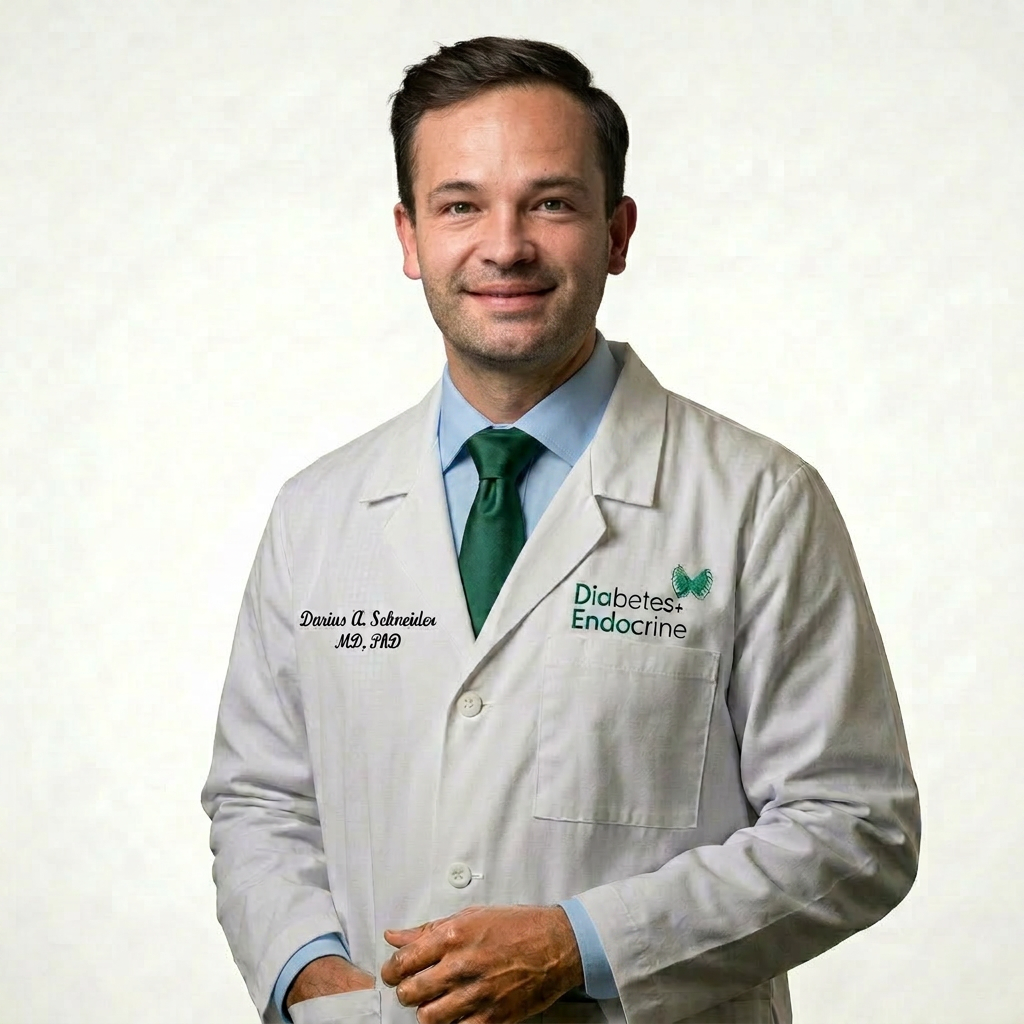
Written by Darius A. Schneider, MD, PhD · Board-Certified Endocrinologist (ECNU) · Last updated: [date] · References: AASLD Practice Guidance on MASLD (2023); EASL–EASD–EASO guidance; Mediterranean-diet and MASLD evidence. Educational only; not individualized advice.