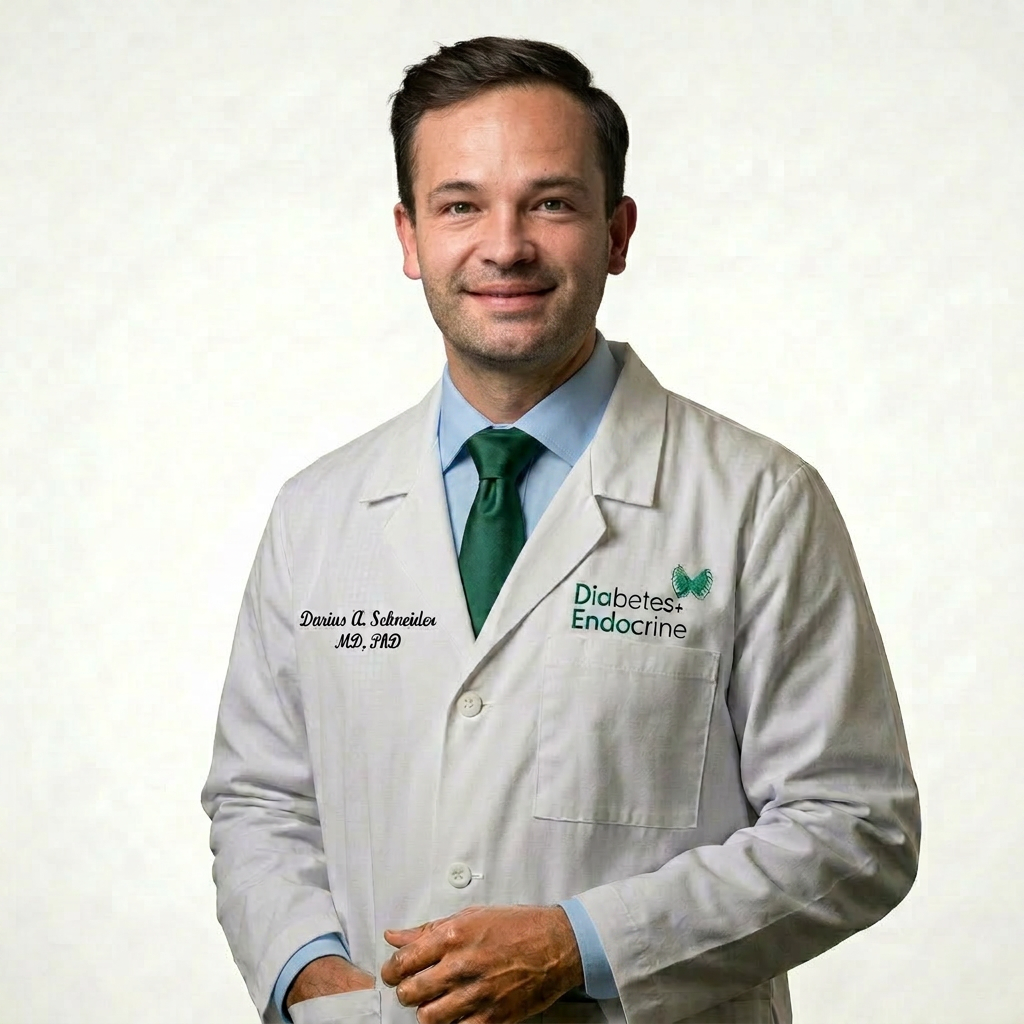
An integrated metabolic-liver approach treats fatty liver as part of whole-body metabolic health, not an isolated scan result. It combines metabolic evaluation, obesity and diabetes care, lipid and cardiovascular risk management, noninvasive fibrosis testing, and weight management under one plan — always asking what a given finding means for this patient, and monitoring over time.
Section accent: --clay (MASLD pillar). Restrained language: this page describes an integrated clinical approach, not a branded protocol. No invented equipment, dates, patient numbers, publications, or protocols; no superiority claims without evidence.
The idea: one metabolic problem, coordinated care
Fatty liver is rarely a stand-alone problem. It usually arrives alongside excess weight, insulin resistance or diabetes, abnormal lipids, and elevated cardiovascular risk — the same metabolic dysfunction, showing up in several organs at once. Fragmenting that into separate appointments, each looking at one piece, tends to miss the whole. The San Diego metabolic-liver approach is simply the discipline of treating it as one metabolic picture, coordinated under a single plan — an extension of the endocrinology and metabolic care the practice already provides. → Fatty Liver / MASLD hub
This is an approach, not a proprietary protocol. It reflects how our clinicians think, developed through San Diego clinical experience; it makes no claim of superiority over other good metabolic-liver care, and it invents no equipment, program metrics, or outcomes.
The organizing question: "What does this finding mean for THIS patient?"
The core habit of this approach is refusing to stop at a label. A report that says "fatty liver" or a single abnormal number is a starting point, not a conclusion. For every finding, the question is what it means for the specific person in front of us:
- A fatty liver on ultrasound → does this person have significant fibrosis risk, or not?
- A borderline FIB-4 → does age or another factor explain it, and what's the right next test? → FIB-4
- An elevated ALT → what's driving it, and does it change management?
- A striking amount of liver fat → what's the metabolic disease behind it, and what's the biggest threat to this person's health?
The same finding can mean very different things in different people. That is why the site's editorial spine — don't just find fat, find risk — is a clinical method, not a slogan.
What the approach integrates
Under one coordinated plan, this approach brings together the elements that are too often handled in isolation:
- Metabolic evaluation — the drivers behind the liver finding, not a reflex panel on everyone.
- Obesity and weight management — individualized goals matched to risk, with attention to how weight is lost. → Fatty Liver & Weight Loss · Body Composition & MASLD
- Diabetes and prediabetes care — because MASLD and dysglycaemia feed each other. → MASLD & Diabetes
- Dyslipidaemia and cardiovascular risk — the leading threat in MASLD, addressed head-on. → MASLD & Cardiovascular Risk
- Liver fat and fibrosis risk — always separated, never conflated.
- Noninvasive testing — a stepwise pathway (FIB-4 → elastography), reserving biopsy for selected cases. → FibroScan & Elastography
- Pharmacotherapy where warranted — obesity and diabetes agents, and, for the right group, approved MASH therapy. → MASH Medications · GLP-1 & Fatty Liver
- Longitudinal monitoring — tracking the metabolic and liver picture over time, not a single snapshot.
How it maps to the W8Experts method
The approach is the liver-specific expression of the site-wide method — Understand · Test · Treat · Sustain:
- Understand the person — weight history, metabolic context, medications, and what the liver finding actually represents for them.
- Test what matters — metabolic health, and liver fat and fibrosis separately, using noninvasive tools first.
- Treat the driver, to a real goal — which may be fibrosis stabilization, diabetes control, cardiovascular-risk reduction, or sustainable weight loss — rarely just a scale number.
- Sustain — preserve muscle, plan maintenance, and monitor the metabolic and liver picture longitudinally.
→ The W8Experts Diagnostic Approach for the stepwise fat-versus-risk pathway this builds on.
What this page deliberately does not claim
In keeping with the site's honesty rules, this description avoids what it cannot substantiate:
- No invented equipment, program names, patient numbers, dates, publications, or protocols.
- No claim that this approach is superior to other competent metabolic-liver care — integration is a sensible way to manage a multi-organ metabolic disease, not a proven outcome advantage here.
- No promise of a specific result. Fatty-liver care is metabolic-disease management — dose-dependent, individualized, and honest about uncertainty.
What it does offer is a coherent way to make sure the fat, the fibrosis risk, the metabolism, and the cardiovascular picture are all seen together — and that every finding is interpreted for the individual. → /appointments
SIGNATURE — "What the evidence says: integrated metabolic-liver care"
- What we know: MASLD is a multi-organ metabolic disease; fibrosis stage drives liver outcomes, and cardiovascular disease is the leading cause of death — all of which argue for coordinated, whole-patient care.
- What we think: Managing the metabolic drivers, liver fat, fibrosis risk, and cardiovascular risk together — under one plan — serves patients better than treating each in isolation.
- What we don't know: Whether any specific care-delivery model produces better long-term outcomes than another; we make no such superiority claim.
- What patients should do: Seek care that stratifies your fibrosis risk, treats the metabolic disease and cardiovascular risk, and follows you over time — and asks what each finding means for you.
Questions patients ask
What is an integrated metabolic-liver approach?
It treats fatty liver as part of whole-body metabolic health — combining metabolic evaluation, weight and diabetes care, cardiovascular risk management, and noninvasive fibrosis testing under one plan. Grade A 🟢
Is this a special protocol or device?
No — it's a way of coordinating care, developed through San Diego clinical experience. It uses standard, guideline-based evaluation and treatment, with no proprietary equipment or protocol. Grade A 🟢
Why see an endocrinologist for a fatty liver?
Because MASLD is metabolic disease — tied to weight, insulin resistance, diabetes, and lipids — the drivers this approach is built to manage together. Grade A 🟢 → MASLD & Diabetes
What does "what does this mean for THIS patient" actually change?
It stops care at a label from becoming a conclusion — the same finding (a fatty liver, a borderline FIB-4) is interpreted for your specific risk before acting. Grade A 🟢 → FIB-4
Does this approach guarantee better results?
No — we make no superiority claim. It's a sensible way to manage a multi-organ metabolic disease, not a proven outcome advantage over other good care. Grade B 🟡
Will you check my heart and metabolism, not just my liver?
Yes — cardiovascular risk is the leading threat in MASLD, so it's assessed alongside the liver, not after it. Grade A 🟢 → MASLD & Cardiovascular Risk
Do I need a biopsy in this approach?
Usually no — noninvasive testing (FIB-4, then elastography) stratifies most people; biopsy is reserved for selected uncertain cases. Grade A 🟢 → FibroScan & Elastography
How is my care followed over time?
Through longitudinal monitoring of the metabolic and liver picture — not a single snapshot — adjusting the plan as things change. Grade A 🟢
KEEP READING
- The W8Experts Diagnostic Approach — the stepwise fat-versus-risk pathway this builds on.
- MASLD & Cardiovascular Risk — why the heart is assessed alongside the liver.
- MASH Medications and GLP-1 & Fatty Liver — pharmacotherapy for the right group.
- Fatty Liver & Weight Loss — individualized goals matched to risk.
Written by Darius A. Schneider, MD, PhD · Board-Certified Endocrinologist (ECNU) · Last updated: [date] · References: AASLD Practice Guidance on MASLD (2023); EASL–EASD–EASO guidance. Describes an integrated clinical approach developed through San Diego clinical experience; no proprietary protocol, equipment, or outcome claim implied. Educational only; not individualized advice.